
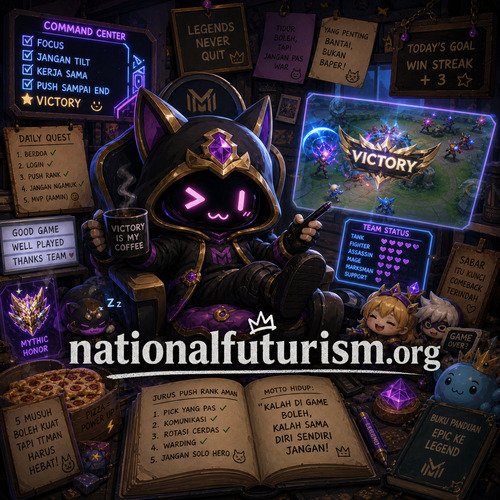
Understanding the Role of Positive Recognition in Mobile Legends
nationalfuturism.org – Mobile Legends: Bang Bang is a multiplayer game where individual performance and teamwork contribute to the overall match experience. While players often pay attention to eliminations, assists, damage, and match results, positive interactions between teammates are another important part of the experience. Player commendations provide a way to recognize contributions and acknowledge behavior that makes a match more enjoyable. Their purpose is different from ordinary performance statistics because they focus on appreciation rather than measuring combat effectiveness alone. A player might not have the highest damage or the most eliminations but could still make valuable contributions through cooperation, communication, and supportive behavior. For example, someone might consistently help teammates during difficult situations, remain respectful when the match becomes challenging, or encourage the group after an unsuccessful encounter. These actions may not always appear clearly in the final statistics, but they can influence how other players experience the match. Understanding the meaning of commendations helps players recognize that multiplayer participation involves more than individual achievement. It also encourages a healthier perspective on success. A player who receives positive recognition should understand that it reflects appreciation from other participants, not necessarily proof that every decision was perfect. Similarly, someone who receives fewer commendations should not automatically assume that their performance was poor. Different players have different habits when interacting with post-match features, and not everyone chooses to provide recognition after every game. Commendations should therefore be treated as a positive social feature rather than a complete measurement of personal ability. Their value comes from the opportunity to acknowledge useful contributions and encourage respectful interactions. Players can also become more aware of their own behavior by considering why someone might deserve recognition. A thoughtful commendation can reinforce cooperation and show appreciation for actions that helped create a better match. Over time, these small interactions can contribute to a more welcoming environment. The important principle is that recognition should be genuine. It becomes more meaningful when players acknowledge actual contributions instead of treating it as an automatic action that has no connection to the match experience.
Recognizing Contributions Beyond Combat Statistics
Combat statistics provide useful information about what happened during a match, but they cannot explain every contribution made by individual players. A teammate may have relatively few eliminations while still performing an important role through protection, crowd control, or coordination. Another player might deal considerable damage but struggle to cooperate with the rest of the team. This distinction demonstrates why positive recognition should not depend entirely on numerical performance. Mobile Legends includes different hero roles, and each role contributes to matches in different ways. Tanks may absorb pressure and create opportunities for allies, while supports can provide protection or other assistance. Fighters may contribute through sustained combat, and damage-focused heroes may be responsible for dealing with important enemy targets. These responsibilities are not always reflected equally in the final statistics. A player who understands team composition can appreciate contributions that might otherwise go unnoticed. For example, a teammate who protects a vulnerable damage dealer during a difficult fight may create an opportunity for the entire group to survive. Another player might use crowd control at the right moment, allowing allies to complete an important action. These contributions can be valuable even when they do not result in a personal elimination. Communication is another area where positive behavior deserves recognition. A player who provides clear information, responds respectfully, and helps teammates remain coordinated can improve the atmosphere of a match. This is especially important when unexpected problems occur. Instead of blaming others, a cooperative player may offer a useful suggestion or help the group understand what happened. Such behavior can make difficult matches easier to manage. Players should also recognize consistency. Someone who repeatedly performs their responsibilities and supports the team’s overall approach may contribute more reliably than someone who occasionally produces an impressive individual performance. This does not mean that combat statistics are unimportant. They remain useful indicators of particular aspects of gameplay. However, they should be considered alongside teamwork, decision-making, and role responsibilities. Commendations become more meaningful when players recognize the different ways teammates can contribute. This broader understanding encourages appreciation for the entire team rather than focusing exclusively on the most visible individual achievements.
Understanding the Difference Between Recognition and Competition
Positive recognition can sometimes become misunderstood when players treat it as another competitive measurement. Although receiving commendations may feel rewarding, comparing these results too seriously can create unnecessary pressure. Players may begin to focus on receiving recognition instead of contributing naturally to the match. This can change a positive social feature into another source of frustration. It is important to understand that commendations are intended to acknowledge positive experiences, not establish a universal ranking of personal value. Different matches involve different circumstances, teammates, and expectations. One player may receive recognition because they provided excellent support, while another may receive it because their communication helped the group remain organized. These situations are not necessarily comparable. The number of commendations received also depends on whether other players choose to use the feature. Some participants may leave the post-match screen quickly, while others may not interact with every available option. As a result, the absence of recognition does not automatically indicate that a player failed to contribute. Players should avoid interpreting these results as a complete judgment of their personality or ability. It is equally important not to demand commendations from teammates. Recognition is more valuable when it is voluntary. Pressuring others to provide it can make the interaction uncomfortable and undermine the positive purpose of the feature. Players should also avoid using commendations as a way to create social obligations. A teammate should not be expected to return recognition simply because they received it in another match. Genuine appreciation should remain independent of expectations. This approach helps preserve the feature as a simple expression of goodwill. Players can enjoy receiving recognition while remaining focused on their own development and the overall match experience. They can also acknowledge teammates without expecting anything in return. When recognition is separated from competition, it becomes easier to appreciate positive behavior without creating unnecessary comparisons. The result is a more relaxed relationship with the social aspects of Mobile Legends.
Giving Recognition for Genuine Team Contributions
Giving commendations is a small action, but it can communicate appreciation for another player’s contribution. The most meaningful recognition comes from observing what happened during the match and identifying behavior that made a positive difference. Players should consider more than the final result when deciding whether someone deserves appreciation. A teammate may have demonstrated excellent cooperation during a difficult situation, provided useful support, or remained respectful throughout the game. These actions can deserve recognition even when the team does not win. The first step is paying attention to how teammates contribute. During the match, players can notice who consistently performs their responsibilities and who helps the group recover from challenging situations. A support player may protect allies at important moments, while a tank may create opportunities for teammates to participate safely. Another player might communicate clearly and help everyone understand changing circumstances. These contributions are often more meaningful than isolated moments of individual success. Players should also consider sportsmanship. Someone who remains calm after a mistake or encourages teammates instead of blaming them can make the experience more comfortable. Respectful behavior is particularly valuable in competitive multiplayer environments, where frustration can sometimes influence communication. Recognizing these actions reinforces the idea that good teamwork includes both gameplay decisions and interpersonal conduct. However, players should remain sincere when giving recognition. They do not need to commend everyone automatically, and they should not feel obligated to use the feature after every match. The purpose is to acknowledge something genuinely appreciated. This makes recognition more meaningful and prevents it from becoming a meaningless routine. Players should also remember that different roles have different responsibilities. A support character may not produce the same statistics as a damage-focused hero, but that does not make the contribution less important. Understanding these differences helps players make fairer judgments. By giving recognition thoughtfully, participants can encourage positive behavior and demonstrate that teamwork matters. Even when a match ends unsuccessfully, acknowledging a teammate’s effort can help preserve a friendly atmosphere and make the experience more enjoyable for everyone.
Responding to Recognition With Respect and Appreciation
Receiving commendations can be a pleasant part of the post-match experience, particularly when players know that their contributions were appreciated by teammates. However, responding to recognition with a balanced attitude is important. Players should feel comfortable appreciating positive feedback without becoming overly dependent on it. A commendation can indicate that someone enjoyed playing alongside them, but it does not need to determine how they evaluate their overall performance. The most useful response is to treat recognition as encouragement while continuing to focus on personal development. If a teammate appreciates their support or cooperation, players can regard that feedback as confirmation that their contribution was noticed. They can continue maintaining the habits that made the interaction positive. At the same time, they should remain open to learning from situations where their decisions could have been better. Positive recognition does not mean that improvement is no longer necessary. Every player can continue developing mechanical skills, game awareness, and communication habits. It is also important to respond respectfully when someone does not provide recognition. Players should not assume that another participant is being unfriendly simply because they did not use a post-match feature. People may have different habits, limited time, or personal reasons for leaving the results screen quickly. Creating expectations around recognition can produce unnecessary disappointment. A healthy attitude allows players to appreciate positive interactions without demanding them. Players can also express appreciation through ordinary communication when appropriate. A brief message thanking someone for helpful teamwork can be meaningful, provided the interaction remains respectful and does not expose personal information. They should avoid sending repeated messages or making another player feel obligated to respond. Online interactions are most comfortable when everyone has control over how much they participate. Recognition should create a positive moment rather than become the beginning of unwanted communication. By responding calmly and respectfully, players help maintain the friendly atmosphere that commendations are meant to encourage. They can enjoy positive feedback while remembering that their long-term development depends on consistent effort, reflection, and cooperation rather than the number of recognitions received.
Encouraging Sportsmanship Across Different Match Results
Sportsmanship is an important part of multiplayer gaming because it influences how people interact when matches become difficult. Mobile Legends can produce intense situations, unexpected defeats, and disagreements about individual decisions. In these moments, respectful behavior becomes particularly valuable. Players who maintain a positive attitude can help prevent ordinary gameplay problems from turning into personal conflicts. This does not mean that everyone must remain happy throughout every match. Frustration is a normal response when something goes wrong, but it should not become an excuse for insulting or harassing teammates. A constructive approach focuses on the situation rather than attacking individuals. For example, discussing a missed opportunity can help the team understand what happened, while blaming a particular player rarely produces a useful outcome. Sportsmanship also involves accepting that teammates have different levels of experience. Some players may still be learning their heroes, while others may understand certain aspects of the game more thoroughly. Offering simple guidance can be helpful, but repeatedly criticizing mistakes can discourage participation. A supportive environment allows players to learn without feeling that every error will become a public argument. Commendations can reinforce this attitude by acknowledging people who contribute positively to the match atmosphere. However, sportsmanship should exist even when no recognition is given. Players should not behave respectfully only because they expect a reward. Good conduct is valuable in itself because it makes multiplayer experiences more comfortable for everyone involved. Another important aspect is respecting opponents. Competition naturally involves trying to defeat the opposing team, but that does not require personal hostility. Players can enjoy a challenging match while recognizing that the people on the other side are also participating for entertainment or improvement. Avoiding insulting messages, inappropriate behavior, and unnecessary arguments helps preserve a healthier gaming environment. Players should also understand when to disengage from negative interactions. If someone repeatedly behaves inappropriately, using available mute, block, or reporting features may be more useful than continuing an argument. Ultimately, sportsmanship is demonstrated through consistent behavior across different outcomes. Whether the team wins or loses, players can choose to communicate respectfully, appreciate cooperation, and treat other participants fairly. These habits make commendations more meaningful because they support a wider culture of positive interaction.
Conclusion Mastering Mobile Legends Player Commendations: How to Build Positive Interactions and Appreciate Team Contributions
Player commendations are a useful way to recognize positive contributions in Mobile Legends, but their meaning extends beyond a simple post-match interaction. They encourage players to appreciate teamwork, communication, and respectful behavior that may not be fully represented by ordinary combat statistics.
Understanding different hero responsibilities helps players recognize valuable contributions from teammates. A tank, support, damage dealer, or other role can influence the match in different ways, and each deserves to be evaluated according to its responsibilities rather than through a single numerical measure.
Giving and receiving recognition should remain voluntary and genuine. Players can appreciate positive feedback without depending on it, while also acknowledging teammates who make the experience more enjoyable. Commendations should never become a source of pressure, competition, or social obligation.
Most importantly, positive recognition works best when it is supported by consistent sportsmanship. Respectful communication, patience toward inexperienced players, and a willingness to accept different match outcomes all contribute to a healthier multiplayer environment.
Ultimately, Mobile Legends is not only about individual achievements or winning matches. It is also about how players cooperate and interact throughout the experience. By appreciating genuine contributions and maintaining respectful behavior, everyone can help make each match more welcoming, enjoyable, and meaningful.